Deciphering Regulatory Pathways Linking Mobile Platforms to Progressive Prize Triggers in France's Licensed Gaming Sector
Finley Lang · Sep 23, 2026
Deciphering Regulatory Pathways Linking Mobile Platforms to Progressive Prize Triggers in France's Licensed Gaming Sector
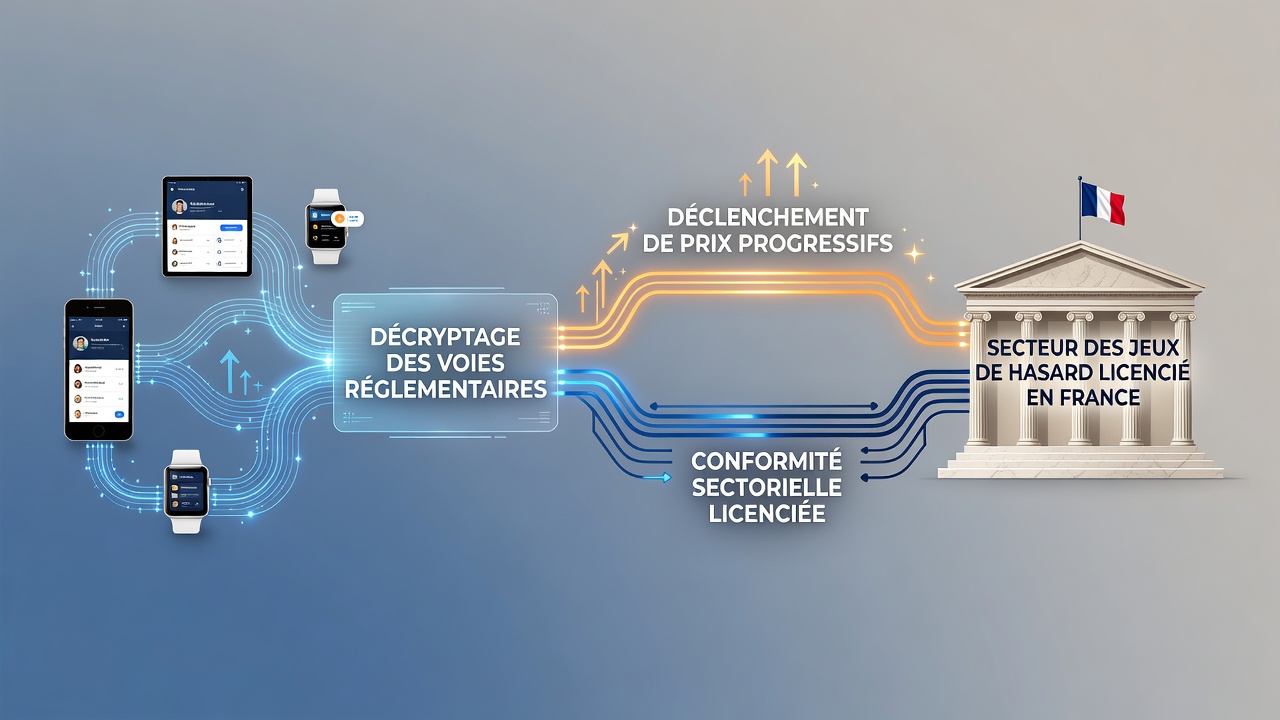
France maintains a structured licensing regime for online gaming through the Autorité Nationale des Jeux which oversees mobile platforms and their connections to progressive prize mechanisms across licensed operators. Mobile applications must meet technical standards that ensure prize triggers activate only after verified player contributions reach predetermined thresholds while maintaining separation between different game categories. Operators submit detailed architecture documents that map how mobile sessions feed into central jackpot pools and regulators review these submissions to confirm compliance with payout verification rules.
Current Framework for Mobile Integration
ANJ guidelines require mobile platforms to transmit real-time data on stake amounts and game participation directly to licensed servers that calculate progressive increments and researchers have documented how these data streams undergo encryption and timestamp validation before any prize trigger activates. Licensed entities operate under decrees that define mobile device authentication protocols and these protocols prevent unauthorized access to jackpot pools while allowing seamless play across smartphones and tablets. Studies from European gaming research centers show that mobile traffic accounts for over sixty percent of progressive prize contributions in France with figures revealing steady growth since the expansion of licensed mobile offerings in prior years.
Operators must demonstrate that their mobile interfaces display prize values accurately and update them without delay when contributions occur on any connected platform. Compliance audits examine the linkage between user sessions on mobile devices and the backend systems that accumulate progressive amounts and auditors verify that triggers release funds only after independent confirmation of winning conditions. Data indicates that these audit processes occur at least annually with additional reviews triggered by system updates or changes in software providers.
Technical Pathways and Compliance Requirements
Progressive prize triggers rely on application programming interfaces that connect mobile frontends to centralized accounting modules and these interfaces undergo certification by approved testing laboratories before deployment. Regulators examine the code paths that determine when a prize pool reaches its trigger point and they require documentation showing how mobile latency or network interruptions cannot alter the outcome sequence. One documented case involved a platform adjustment where experts identified a synchronization delay between mobile and desktop contributions that was resolved through updated timestamp protocols before the system received final approval.
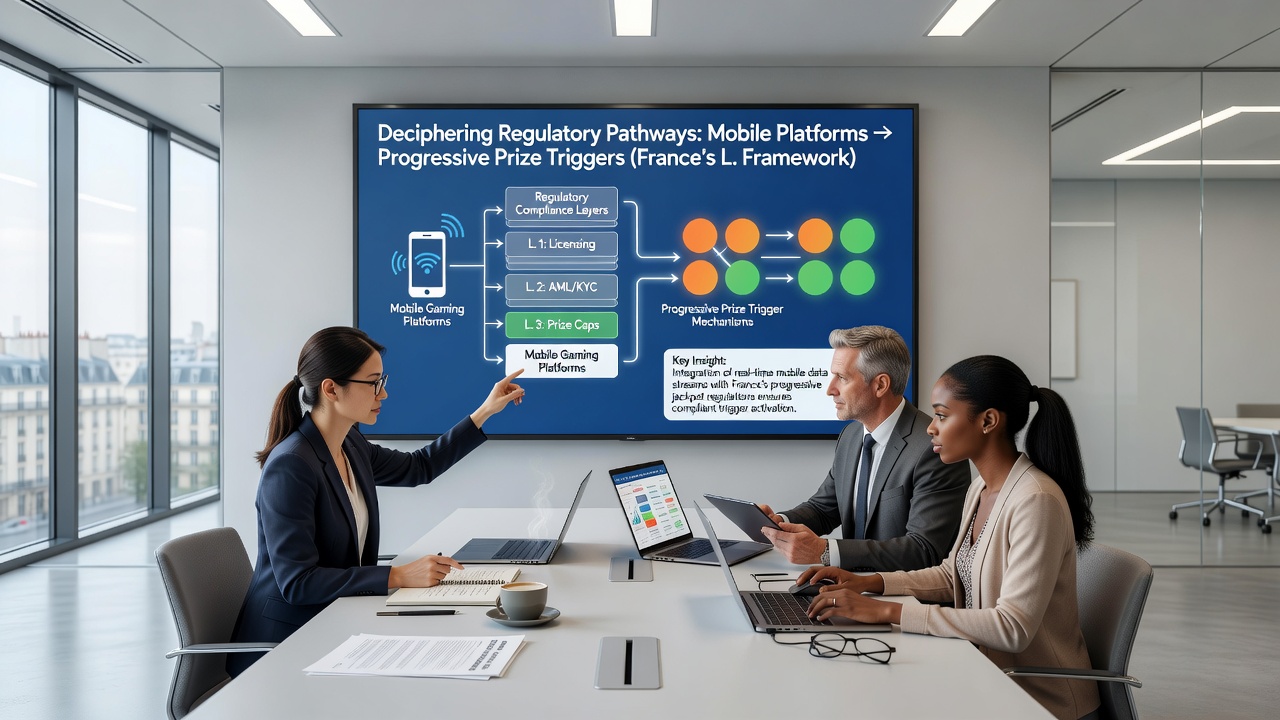
Operators file quarterly reports that detail mobile participation rates and prize trigger events while ANJ cross-references these reports against transaction logs to detect anomalies. Technical standards specify that progressive systems must isolate mobile-generated contributions from other channels until verification completes and this isolation supports accurate allocation when multiple players qualify for the same prize pool. Reports from industry associations indicate that France's licensed sector processed several million mobile progressive contributions monthly with the majority originating from slots and table game variants that carry jackpot features.
Upcoming Developments in September 2026
Regulatory announcements indicate that ANJ plans a comprehensive review of mobile platform linkages to progressive systems in September 2026 with particular attention to emerging authentication methods and cross-border data handling. This review will assess whether current pathways adequately address new device types and software architectures that operators may introduce. Government documents outline that the evaluation will include stakeholder consultations and analysis of transaction data collected over the preceding twelve months to determine if additional safeguards are necessary for prize trigger integrity.
Observers note that similar reviews in other jurisdictions have led to refined standards for mobile encryption and real-time monitoring and France's approach incorporates lessons from those earlier evaluations. Licensed operators prepare by updating their technical documentation in advance and testing new mobile features against existing compliance criteria to avoid delays during the September assessment period.
Conclusion
France's regulatory structure connects mobile platforms to progressive prize triggers through documented licensing steps, technical certifications, and ongoing audits that maintain system integrity across the licensed sector. Data from official channels and research reports demonstrate consistent application of these pathways while the planned September 2026 review signals continued attention to evolving mobile technologies. Operators and regulators alike follow the established processes that ensure prize contributions and triggers operate within defined parameters for all participants in the market.